




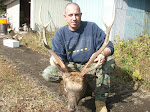
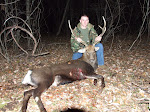
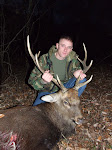

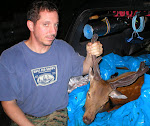


See you in the Yama!
SK-1 OUT !!!
The Imperfect Storm
Mount Fuji’s
ecosystem is in danger of collapse.
Observations and Opinions by Rick Sacca
July 21st,
2012
This storm has been
brewing…
Introduction
Large segments of the Mount Fuji ecosystem are in danger
of collapse. Over the last 35 years
multiple human and natural factors have changed, and have done so faster than
the pace of change within the organizations designed to manage the various
facets of this important habitat. At the
current pace, large-scale ecosystem collapse is possible in the next 2 to 4 years. Significant issues and localized areas of
collapse are already occurring right now. Second-order and other follow-on
effects have the potential to be disastrous.
Mount Fuji, as we know it, is in danger.
My intention is to be as respectful as possible while
making my observations, yet to provide candid observations and input for the
diverse discussion of this issue. My
perspective is equally diverse, coming as a skilled hunter, an experienced
hiker/climber, someone who has spent a lifetime involved in all manner of
outdoor activities, and as a resident of Japan who is deeply concerned for her
future. In some areas, I also have the
unique ability to make a comparison to the practices (successful as well as
unsuccessful) of other western nations since I lived and hunted in North
America, and have studied these systems extensively. The most effective solutions we create must
be a blend of modern science and international best-practices, while being
uniquely Japanese, since this combination of factors is unique to this portion
of the Japanese ecosystem.
All honest discussions must begin with a process to
discover the facts and current status.
Only after these are ascertained can any real solutions be
identified. I am presenting a
significant number of factors involved in this issue. I am sure that I am missing some issues, and
I am certain that further discussion will reveal that some of my observations
may not need to be addressed in the opening discussions. I welcome all input on this subject, to
further enhance the depth and accuracy of discussion and decision making.
What Has Happened?
hunting Statistics
A review of the Japan Hunters Association data reveals
significant facts about the “average hunter” in Japan and clearly documents
significant changes from 1974 (S-49)
to 2006 (H-18), a period of just 35
years. Please keep in mind that we have
continued to change at similar, rates for an additional 6 years since this data
was collected. Important facts include:
*Total Number of Hunters dropped from 517,754 to
186,580, a 64% decrease. Recruitment of
new hunters is not being accomplished.*Average Age of Hunters increased from 30-49 to 60-69 years old. 56.5% of our hunters were over 60 years old in 2007. Now in 2012, the majority of our hunters are over age 65, and with my conservative estimates of hunters retiring before 70 years old, we are on course to have no experienced hunters remaining active from the original core group of hunters from 1974 (S-49) by 2016.
*The number of hunters in their 20’s has dropped significantly from 87,920 to only 2,551 Japan-wide. These hunters represent but 1.1% of all hunters, clearly indicating that the hunting tradition and the responsibility of managing the forest and its animal population is not being passed on to the younger generations.
Game harvest reports from 2000 (H-12) to 2007 (H-19) also illustrate that harvest levels are continuing to increase.
*Inoshishi/Wild Boar (Sus scrofa) harvest increased by 34% from 100,575 to 134,831.
*Nihon-Jika/Japanese Deer (Cervis Nippon-nippon) harvest increased by 26% from 96,708 to 121,488.
Crop damage reports indicate:
*a loss of 21,331,000,000 JPY ($270,869,943) in 2009 (H-21).
*Kamo-Shika/Japanese Serrow (Capricornis crispus) damage has dropped by 50%. This indicates a significant decrease in this national treasure.
Note: Game density data is scientifically questionable since it is hunter-provided, and not acquired from trained field scientists.
My observations and forecast:
*There will be a tremendous loss in the overall number of over hunters, at least 40% in the next 2 to 4 years due to age.
*The decrease in hunters will reduce the revenue stream that funds research and the entire hunting establishment.
*Animal populations will continue to increase, unchecked, at the same or faster rates. With governmental population culling numbers being suggested in the thousands or even tens of thousands of animals, this alone is a recipe for failure.
*Protected species such as Kamo-Shika will continue to decrease as their habitat is consumed by animals that were historically non-competitive, and will become further threatened.
Note: Statistical increases in hunter harvest are mainly due to the increase in animal population rather than any notable increase in hunter skills. The average hunter has but a 65-72% chance of harvesting one animal each season.
*Recruitment efforts targeting 20-49 year old new hunters is ineffective and/or insufficient.
*Crop Damage will continue to increase exponentially; deforestation will continue and increase.
*Vehicular/animal collisions will increase as will other undesirable human/animal interactions (accidents/attacks).
*Loss of topsoil will continue, taking with it more vegetation, trees, and will eventually cause disruption and damage to roads and communities.
*Disease will become more prevalent in the deer populations due to increased contact. Historical diseases such as mange will proliferate, and new mucus-borne diseases similar to Chronic Wasting Disease and other neurological diseases will increase and compromise both animal and human populations.
What Has Happened?
Regulatory changes
A review of the regulatory factors which affect this
issue is best done if divided into the various entities involved:
Individual Hunters and Firearms Owners:
*Some individuals, due to age, physical infirmity, or
diminished mental faculties attempt to hunt beyond their limits.
*As with all sectors of society, a minute fraction of
hunters and firearm owners invariably engaged in forms of misconduct which
negatively affects all other hunters and firearms owners. These were effectively exploited by some
media sources and have soured public opinion.
The rate of gun related crime in Japan is virtually a non-factor when
compared to western countries which allow individual gun ownership.*Individuals engaging in unsafe, or unethical, activities should control their behavior, as each of us is responsible for the reputation and public image of our group.
Ryouyukai (Hunting Associations) Leadership:
*Must be selected based on their skills and character,
not simply on age, length of time, or other irrelevant factors. Leaders are responsible for conducting safe
hunting operations and must perform the many roles as leader, safety monitor,
organizer, and more. They are obligated
to ensure the safety of the other hunters and the general public.
*Ryouyukai are self-policing in the classic Japanese
style where each member supports the leaders and the members in conducting a
safe and responsible hunt, and everyone enforces the rules. *The Ryouyukai leadership, at all levels, actively serve as liaison and advisor to the Police Department and the Public Safety Department, as well to with timber industry, farming industry, land owner associations and the Japanese Self Defense Forces.
*There is no effectively organized recruiting method, designed to attract potential new hunters, to introduce people to hunting, and to help candidates train and prepare for the complex hunting and firearms testing processes.
*There is a lack of a significant marketing plan to promote hunting, game management, and wild game meat consumption to the public.
Police Departments:
*Some police agencies have resorted to knee-jerk
reactions, implementing new and unnecessarily complex local rules and
regulations. While there are often aimed
at culling potentially unsafe hunters, the true result is perceived as an
attempt to systematically reduce or remove gun ownership for virtually
everyone.
*Local interpretation is often made by individuals who
have no knowledge or understanding of hunting or firearms use, and without
consulting the knowledgeable members of the Ryouyukai leadership.*Local internal policies have been implemented that make continued firearms ownership unnecessarily difficult, and deter new owners. This drives away current hunters and prevents new hunters from beginning the licensing process.
*My Comment: My local City Police Department have always
been reasonable with me as an individual, however the entire system of testing,
and unnecessary measures is discouraging to current hunters and a deterrent to
new hunters, and helps create more injuries and accidents through
vehicle/animal collisions and other negative interactions.
Public Safety Department:
*The testing process for a hunting license is
simply rote memorization of antiquated information. There was no real information on decision
making, shot placement, field dressing, food sanitation, health hazards, land
navigation, emergency procedures, first aid, stewardship, or other important
game management or field skills.
*The testing schedule is far too limited and
discourages potential new hunters. *My comment: The role of balancing all aspects of public safety is certainly quite complex, but hunting is discouraged at every step, which in turn directly creates other negative consequences, and as a result overall public safety is not enhanced, but I contend that public safety is actually diminished.
Local Governments:
*Lack of a distribution network to provide
free wild game meat to needy citizens, families, and organizations.
*Excessive controls and prohibitions on wild
game sales and usage, and lack of a public awareness campaign.*Local governments need to maintain open communications and working relationships with the Ryouyukai leadership.
Japanese Self Defense Forces
(JSDF):
*Stewardship of the land used by the JSDF is
often focused only on training and convenience for the JSDF, has no scientific
basis or regular input from experts and could benefit from the expertise of
Ryouyukai leadership.
*Animal populations are completely out of
control in the East Fuji Maneuver Area.
The excess population of Nihon-Jika is causing tremendous damage to the
timber industry, natural forests, watersheds, farms, and Kamo-Shika habitat.*Excess populations of Nihon-Jika in the EFMA are now encroaching on all of the villages at the foothills of Mount Fuji. This not only includes the areas along the borders of the EFMA but Nihon-Jika are 5-6km into the City of Gotemba. Kamo-Shika have also been pushed down into local communities and have been seen as far as 3-4 km into Gotemba city, at unprecedented elevations of only 400 meters.
Note: In 2012 the JSDF agreed to a partial, but impractical compromise and allows limited pest control hunting. My Comment: *The JSDF needs to both enforce and obey the land use agreement. There needs to be regularly scheduled, open communication between the JSDF and the Ryouyukai, and a cooperative relationship, not an “us versus them” situation. The JSDF should utilize planned rotational access to more areas of the EFMA for population control. Their previous multi-year moratorium on hunting is one significant factor in the deer overpopulation that is destroying this area, and the city.
Contradictions:
*Incompatible testing dates work in
conjunction with a different police testing schedule to create the need for an
individual to wait more than one year, typically almost two years to begin
actual hunting.
*Ryouyukai and Police give differing
orders. The Police Department insists
that all ammunition be consumed within 24 months of purchase, regardless of
condition. The Ryouyukai complies by
scheduling “end of the season” shooting sessions with the expressed purpose of
consuming all ammunition left over at the end of the hunting season. The Police then require that each hunter
maintain a suitable amount of ammunition in the event that they are required to
dispatch a hazardous animal at the request of the Police. The Ryouyukai then decides that individuals
with appropriately limited quantities of ammunition cannot be part of the pest
control season (Yugai Kujyo) because they “do not have enough ammunition” and
the Ryouyukai refuses to issue ammunition purchase permits, which encourages
maintaining excessive ammunition. *Some hunters are driven away from hunting due to this added unnecessary financial burden of wasting ammunition. In my case, where each shell costs as much as 680 Yen each (almost $8.00 USD), the 1,000 Yen we get from our Bunkai for each day of active pest control hunting does not cover one bullet and an OBento lunch.
*Funds received from bounties on pest animals has been widely criticized as being mismanaged, not going to the hunters who are doing the important work of pest control (actually hunting, researching, tracking, timing animal movements, expending vehicle fuel, consuming daily food rations, and shooting expensive ammunition). Instead the funds are utilized by various levels of the hunting establishment, distributed to hunters who never set foot in the woods, and used for other purposes. This removes all incentives for the prolific hunters to engage in the important process of pest control. These funds should be carefully earmarked and distributed more appropriately. Individual hunters should be receiving the largest portion in order to directly offset their true expenses. Remaining funds should be utilized for recruitment of new members and for public awareness campaigns at all levels.
My comment/example: The February to March 2012 Shizuoka Yugai Kujyo (Pest Control) season began with three basic instructions: there would be 10,000 Yen paid for each pest animal harvested, these funds would be paid directly to the Bunkai for further distribution, and the animal snouts & lower front teeth were to be submitted for biological research. These instructions were not followed. The funding was redistributed in a nonsensical manner. The biological research, while the results have not yet been published, will also be skewed because of the haphazard manner the data was reported, and the extensive washing of the snouts removed all traces of mucus-borne diseases, a key concern with the ever-increasing deer populations and increased animal density.
*Hunter safety is compromised when decisions are made on hearsay vice ballistics. An example is the prohibition of the use of buckshot during organized deer varmint hunts, and the instructions to only use slugs. This is contrary to standard safety practices in North America and Europe, which were developed using proven ballistic information, and actually enhance hunter and public safety.
Other changes:
Societal and Socioeconomic
Changes:
*Public image of guns has been degraded by
media and anti-gun groups.
*Public understanding of hunting as a
management tool is not taught at the family and local community level, and has
virtually been erased from the average citizen’s understanding. *A syndrome dubbed “Nature Deficit Disorder” (coined by Richard Louv) has been identified in many western countries, describing the phenomenon where our children are no longer in touch with anything natural or outdoors. Their physical and mental wellbeing is jeopardized by constant indoor activities.
*Commonly accepted definitions of terms like “Eco” and “Environment” have been skewed by media, deficiencies in the educational systems, and lack of firsthand experiences. Ideas that all animals must be protected at all costs have replaced our understanding of our responsibility to manage the environment, and specifically our role to act in the absence of the apex predators, such as the eradicated Nihon Ookami/Japanese wolf (Canis lupus hodophilax) and Tsuki no Waguma/Asiatic Crested Black Bear (Ursus thibetanus japonica) which were severely depleted by mankind.
*Many of the most senior hunters have lived through post-war depressed economic times and hunting was a vital part of daily life. Conversely, modern times do not require hunting for true subsistence, but still remain an important part of population management.
My Comment: Please consider how many early teens currently choose to engage in the activities that most of us grew up doing such as playing outdoors, fishing, insect collecting, hiking, and other activities, including hunting. Not many.
Cultural Differences:
*The consumption of wild game was a staple
part of Japanese history, just as it was in western countries. The transition to a rice based diet for the
masses began, yet the tradition of wild game hunting continued and was reserved
for the upper classes. Let’s not forget
the “Fuji-San no Makigari” conducted in 1193 by Minamoto no Yoritomo: Although primarily a military show of force,
the staggering volume and variety of wild game harvested on and around Mount
Fuji documents the vast animal diversity and availability. I live and have the privilege to hunt in this
historic location, adjacent to “Iimori Zuka”, and right near “Shishi Ke Bashi”.
*Religious mandates, at times, precluded the
consumption of wild game by the average Japanese citizen. At the same times, the religious
establishment and the ruling elite continued to eat and thrive on wild game,
and developing euphemisms to disguise their consumption such as “Botan”,
“Botan-Nabe”, “Momiji”, “Sakura”, and “Yama Kujira”.
Missed Opportunities:
*Wild game meat is a delicacy in many
countries, and a staple in some countries, yet is shunned in Japan, due to
misinformation, inaccurate stereotypes, and the loss of traditional game meat
cooking techniques.
*Extensive amounts of wild game is available
for distribution. Deer, Boar, Dove, and
Sparrow are all considered as pests at critical levels, yet there is no market
(charitable, or for profit) for these meats.My Comment/example: The Safari Club International operates the “Sportsmen Against Hunger” wild game donation and distribution non-profit organization in North America. In 2010 they distributed more than 477,392lbs (216,996Kgs) of wild game meat donated by individual hunters and various hunting organizations. This represented over 1,900,000 meals in one year! We need to be allowed to create an organization like this in Japan.
Ecological System Changes Created by Humans:
*Large mammalian (Honyuu-doubutsu) predators
(Honshoku-doubutsu) (aka: Apex Predators) have been essentially removed from
the Mount Fuji eco-system. Ookami
(Japanese Wolves) were hunted to extinction (Konzetsu-suru) early in the last
century. Tsuki no Waguma (Asiatic
Crescent Black Bear) have been hunted to near extinction, often times
persecuted as a “danger” to humans, and ultimately relegating them to an
anomaly in the forest rather that their former position as the apex
predator. No other small mammalian
predator can fill this void, resulting in unchecked population growth of
ungulates and swine.
*Small mammalian predators such as Kitsune/Japanese Fox
(Vulpes vulpes japonica) have survived yet offer no significant predation of
ungulates and swine.*Planted timber forests (Cedar, Cyprus, and Tamarack) have replaced the diverse forests & the mast producing trees, and have forced animal populations into smaller living areas, increasing the density and further depleting natural food supplies.
*Community operated cooperative farms, such as those previously in the current East Fuji Maneuver Area were “requisitioned” by the government in the 1920s, and farming became a localized family operated enterprise. The population explosion of deer on Mount Fuji, and the subsequent consumption of virtually all available food sources, now have brought the deer herds to the local villages and have been wreaking havoc on family farms, creating incalculable losses for these families.
Inherited Knowledge:
*Traditionally inherited knowledge about stewardship and
habitat management is no longer being passed on from one generation to the
next. The average 60 years old hunter
grew up in the beginning of modern Japan and have never truly needed to obtain
subsistence from nature directly, thus have lost this knowledge.
*The current generation of 20-49 year olds, potential
hunters, have virtually no experience in the outdoors. Without this basic understanding of nature,
the idea of hunting is simply beyond their comprehension.*Teaching materials provided by the All-Japan Hunting Association for hunters has become inadequate in passing this information to new hunters, allowing for hunters to become licensed with virtually no understanding of the outdoors, simply by memorizing information from a text.
*Teaching methods and materials are outdated and utilize rote memorization, straight lectures vice interactive learning, and completely fail to utilize any modern teaching technologies.
What are the true ecological conditions?
In the Planted Conifer
(Shin’youju) Forests (Timer Industry Land):
*Since 2010 the most extreme example of the
deer population running out of food and resorting to non-traditional food
sources is the act of stripping away the outer bark of planted Cedar (Sugi) and
Cyprus (Hinoki) trees and eating the inner bark (Phloem). This is happening only after all other food
sources have been depleted. This action
typically starts at the roots where the Outer-Bark is being bitten then pulled
upward, sometimes to 2 meters, exposing the Inner-Bark or Phloem Layer which is
then eaten through into the Cambium Cell Layer.
This is occurring on almost 90% of the trees in some areas, with many
trees having bark removed around the circumference of the tree, effectively
killing the tree. These dying trees are
a direct economic loss for the timber industry.
The dead trees also quickly forfeit their hold on the topsoil, resulting
in further erosion and detriment to the entire ecosystem.
Mixed Deciduous (Datsurakusei no
Ki) Forests:
*Since 2007 the deer are eating the bark of
several species of trees in the same manner as the Conifers but to a much more
devastating level that the Conifers. Key
tree species that are being destroyed are the various Birch & Scrub Oaks.
Sasa (several types of dwarf
bamboo) Patches:
*Sasa, which both holds a lot of topsoil, and
provides cover & nesting opportunities for an innumerable amount of small
animal and bird species, has been completely and irreversibly depleted by the
deer. This is already causing these
plants to release their hold on the topsoil and is creating runoff. Some areas of runoff go deep enough to allow
volcanic ash to be integrated into the runoff and cover previously viable
topsoil, further diminishing the amount of viable topsoil available for
recovery.
Essential Food Sources:
*The over-browsing, and complete consumption
of plants interrupts the lifecycles of these plants. This removes the plants which are keys to
repopulating the plants each year. A
portion of all plants are normally left behind in a balanced eco-system and
provide the repopulation of these plants for the next year. When all of the seeds are being consumed, or
the entire plant is being consumed destroying the root system, or depleting the
energy stores in Rhizomes (Chikakei), the plant reproductive cycle ends,
leaving no browse for the next year.
*The deforestation by the deer leave only the
poisonous, inedible plants, a majority of which are introduced invasive species
which are quickly taking over the barren land, and have no pressure because
they are not eaten by the deer.*Itadori/Japanese Knotweed (Fallopia japonica) and their rhizomes have also nearly been depleted.
Rice Fields and Family Gardens:
*Ungulate and swine crop damage is occurring
in villages and city areas as low as 250 meters elevation.
*Attempts to install mesh fences, electric
fences, and a variety of other deterrents are now ineffective against the
onslaught of the exploding pest populations, especially deer, boar, crows, and
create additional financial burdens.*The loss of family food crops, and the increase in expenditures for deterrents, is making family farming financially unviable, and causing considerable hardship, particularly for our elderly farmers, and small families.
C. Ensure all affected agencies/departments are suitably represented, yet establish a core group of decision makers.
I. Create acceptance, and then demand for wild game meat obtained from population control harvesting.
That's it for now. More details to follow! Thanks for reading, and any input is always appreciated!
SK-1


 Today was the first group hunt of the year with the "52" Big Game Hunting Association. The morning was supposed to be spent analyzing the fresh tracks and preparing to hunt. Instead we spent the morning clearing away trees and branches and repairing huge, impassable ruts in the access roads. Our area experienced several serious rainstorms this fall and many of our best areas were completely washed out. With the hard work done, and a good lunch break we set up in five positions surrounding a 2.5km by 1.5km block of mixed hardwoods with some traditionally productive briar patches. While walking to my designated location, I jumped 2 does which bolted out of our hunting block. Not a good start, I thought. I set up on their trail rather than my normal spot 100 meters further down the river bed. This would turn out to be a great decision.